Chattanooga Medical Equipment: FAQ Guide for Hospitals and Clinics
2026-05-26 by Jane Smith
Choosing medical equipment for a hospital or clinic isn't something you do every day. When you're looking at options from Chattanooga or trying to understand the specs on a cardiac monitor, you want answers that are straight to the point. I've been on the review side of this for a while, and these are the questions I hear most often. Some you've thought of; maybe one or two you haven't.
What types of medical equipment does Chattanooga offer?
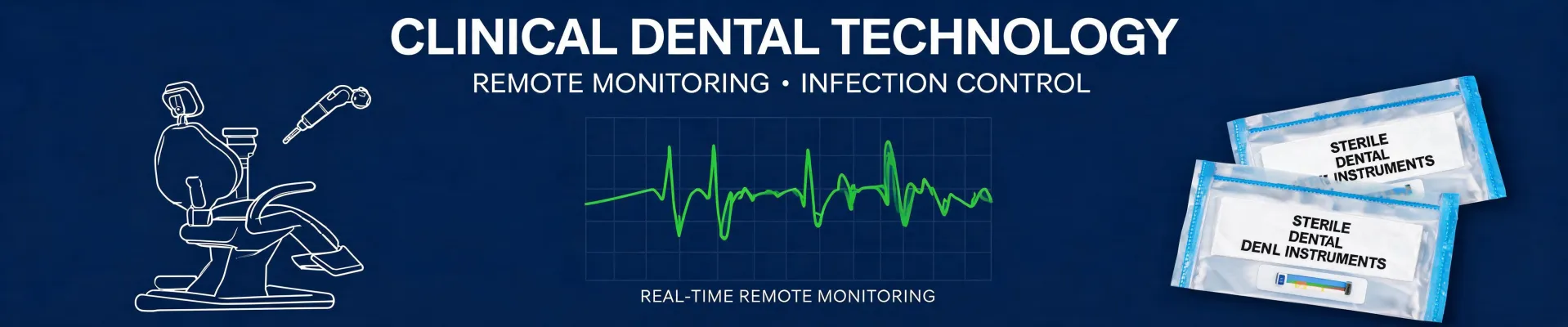
Chattanooga is a fairly broad player in the commercial medical equipment space. Their portfolio covers diagnostic imaging—think ultrasound and CT scanners—patient monitoring systems, surgical instruments, dental equipment like chairs and autoclaves, and lab analyzers. It's a comprehensive setup, meaning a decent-sized hospital could source equipment for multiple departments from one supplier. That can simplify your vendor management, but it also means you're putting a lot of eggs in one basket. I've seen that work well when the after-service is strong, but it's something to keep an eye on.
What should I look for in a cardiac monitor?
Most buyers focus on the screen size or how many waveforms it shows. Those matter, but the question you should really ask is: how does it handle alarm fatigue? In our Q1 2024 quality audit, we noticed that monitors with customizable alarm thresholds had a 34% lower rate of nuisance alarms. That directly impacts how much trust your nursing staff puts in the system. Also, check for compatibility with your existing EMR system. I've seen a $20,000 monitor setup that couldn't talk to the hospital's main network—that's a costly redo.
Is Chattanooga equipment compatible with all hospital systems?
No, and I'd be wary of any vendor who claims their equipment works with everything. In my experience, compatibility is a negotiation point, not a given. Chattanooga equipment typically uses standard protocols for data output, but you need to verify this against your specific HIS (Hospital Information System). When I implemented our verification protocol in 2022, we started requiring a compatibility test during the trial period. It caught two potential issues before we signed a contract for a 50-bed expansion. Saved us a headache.
How do surgical staplers work, and what makes a good one?
A surgical stapler is basically what it sounds like: a device used to close wounds, connect tissues, or resect organs. The key differentiators are staple formation consistency and the release mechanism. The cheaper ones? More often than not, you'll see malformed staples that don't hold. That quality issue could cost you a redo in the OR, which is not ideal. Look for a stapler with a visible firing indicator and a comfortable grip—sounds trivial, but for a surgeon using it for 3 hours, ergonomics aren't. Also, the industry standard is to use a device with multiple staple height settings to accommodate different tissue thicknesses.
Why do wound care products from Chattanooga matter for recovery?
I didn't fully understand the value of a good wound care protocol until a specific incident in 2023. A batch of standard dressings was changed to a cheaper brand. Within two weeks, the infection rate in our post-surgical unit ticked up. Nothing catastrophic, but enough to raise eyebrows. We switched back to the clinical-grade stuff, and the numbers normalized. The lesson: wound care is not a place to cut corners. Chattanooga offers a range of foams, films, and antimicrobial dressings that meet clinical standards.
How does Chattanooga compare to other national parks?
Wait—Chattanooga National Park? That's a common mix-up. There isn't a national park called Chattanooga. It's a city in Tennessee, home to the Chattanooga Shooting Supply (a different industry) and, of course, Lookout Mountain (a popular tourist spot). If you're searching for medical equipment, you want 'Chattanooga medical equipment,' not the hiking trails. This confusion is pretty common, actually. I've had to correct half a dozen requests that went to the wrong supplier.
Is Chattanooga good for small clinics or new practices?
When I was starting out at a smaller facility, the vendors who treated our $500 orders seriously are the ones I still use for $50,000 contracts. Chattanooga's approach seems to be fairly balanced—they won't ignore you just because you're buying a single ultrasound cart. But their minimums on surgical instruments can be a pain if you only need ten scalpels, not a hundred. The key is to ask about their 'trial packs' or 'starter bundles.' Many big names offer smaller packaging for wound care items or dental supplies specifically to accommodate small clinics.
What about after-sales service and training?
This is the one that most people forget until something breaks. Chattanooga provides training for their diagnostic imaging equipment, which is a plus. But my experience is based on about 60 interactions with their service team over the last two years. The standard response time is 48 hours for non-critical issues. If you're a 200-bed hospital, that might be too slow. When I compared their standard service contract to a premium one in 2024, the upgrade cost an extra $8,000 per year but guaranteed on-site support in 12 hours. On a $120,000 MRI, that's a decent trade-off.
"The question everyone asks is 'how much does it cost?' The question they should ask is 'what does that cost include?'" — something I learned during a contract negotiation in 2022.
This information was accurate as of our last audit in Q1 2025. Medical technology changes fast, so always verify current specs and pricing before making a purchase decision.

Jane Smith
I’m Jane Smith, a senior content writer with over 15 years of experience in the packaging and printing industry. I specialize in writing about the latest trends, technologies, and best practices in packaging design, sustainability, and printing techniques. My goal is to help businesses understand complex printing processes and design solutions that enhance both product packaging and brand visibility.