What Is a Dental Unit? A Medical Buyer’s Comparison of Chattanooga and Budget Equipment
2026-08-13 by Jane Smith
-
The Only Comparison That Matters: Sticker Price vs. Total Cost
-
Portable Oxygen Concentrator vs. Mechanical Ventilator: Know the Difference
-
What Is a Dental Unit? Hydraulic Supply and More
-
Chattanooga Air Quality and Equipment Longevity
-
The Transparency Test: What the Quote Didn't Say
-
So Should You Buy Chattanooga or the Budget Option?
I oversee purchasing for a three-location dental and rehabilitation practice. In 2024, that meant sourcing a portable oxygen concentrator, a mechanical ventilator, and five dental units. I never expected to learn what a dental unit was, let alone how its hydraulic system worked. But the project taught me how to compare medical equipment without falling for a low sticker price.
The Only Comparison That Matters: Sticker Price vs. Total Cost
The marketing materials say to compare feature sets. My accountant says to compare the full cost. I'm not a clinician, so I used a simple frame for every purchase. I looked at three things:
- How critical is the device to patient safety?
- How hard is it to find parts when it fails?
- Is the vendor's quote complete, or are fees missing?
That frame turned every budget-vs.-brand argument into a conversation about total cost.
Portable Oxygen Concentrator vs. Mechanical Ventilator: Know the Difference
Before buying anything, I had to understand the machines. A portable oxygen concentrator pulls room air, filters out nitrogen, and delivers concentrated oxygen. A mechanical ventilator moves air in and out of a patient's lungs. They are not interchangeable. But both have one thing in common: they sit between your patient and their next breath.
Here's the thing: a cut-rate concentrator may cost less, but the quote often excludes the external filters, water traps, and carrying case. We saved $512 on one budget concentrator, then paid $1,180 in the first year for repairs and replacements that should have been included. The vendor's response? "You didn't ask." I did ask—I just didn't know the right follow-up.
Personally, I now treat ventilators and oxygen concentrators as "buy once, cry once" purchases. Reliable machines from established brands are worth their price because failures are not a supply-chain problem. They are a life-safety problem. Part of me still winces when I see the price difference. Another part remembers the budget quote didn't include the battery backup we assumed was standard. I reconcile it by treating the ventilator as insurance.
What Is a Dental Unit? Hydraulic Supply and More
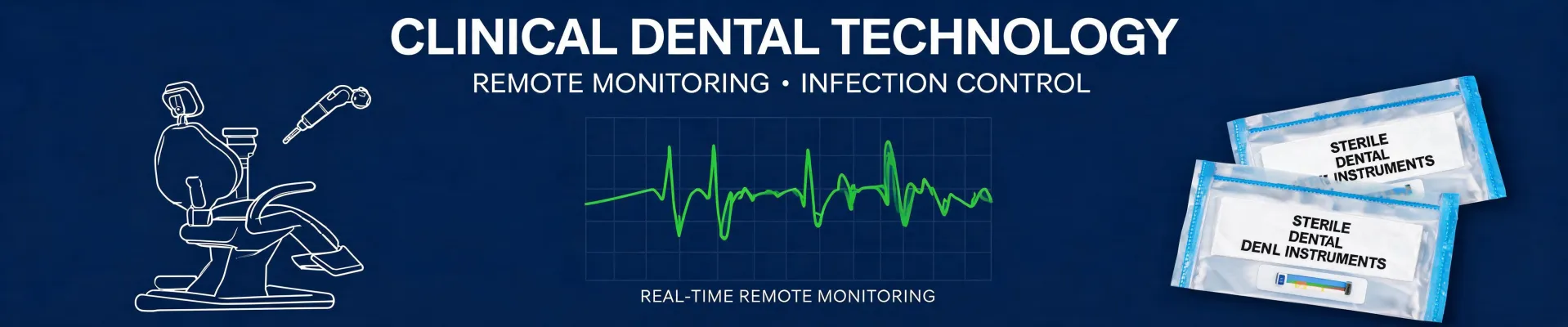
Now for the equipment I thought I understood. What is a dental unit? In plain terms, it's the dental chair workstation: the patient chair, instrument holders, the spittoon/suction, water lines, and the pneumatic or hydraulic lift that positions the chair. It also runs the drill and the air/water syringe.
The most underestimated part is the hydraulic supply. The chair's lifting mechanism relies on hydraulic fluid, seals, and cylinders. When I compared a hydraulic supply Chattanooga shop's quote with a generic online listing, I had two choices: OEM parts or a generic cylinder. I almost ordered the generic one because it looked identical and cost 30% less. The seal blew out after three months. Replacing it meant the chair was down for a full day, and the dentist had to reschedule patients. Granted, generic parts sometimes work. But the downtime and labor cost more than the savings. The most frustrating part wasn't the failed seal—it was that the generic supplier's catalog didn't mention seals at all.
If you ask me, a dental unit is one of those purchases where brand reputation matters more than the base price. Chattanooga's service manuals and replacement parts are easy to get, which matters even more once the chair is out of warranty.
Chattanooga Air Quality and Equipment Longevity
Oxygen concentrators and ventilators pull in room air. Filters capture particles, but they don't work forever. The dirtier the air, the faster they clog.
When we opened a clinic in Tennessee, I checked the published Chattanooga air quality data before installing the oxygen concentrators. Like many cities, its AQI is generally moderate, but construction dust and clinic aerosols still get into the equipment. We installed better intake filters on the oxygen concentrators and on the dental units' compressor lines.
The budget devices we initially bought had the thinnest filters I'd ever seen—a foam disc that cost $40 to replace. The brand-name units had multi-stage filtration that trapped more dust and alerted us when it was time for a change. To be fair, that doesn't mean budget equipment is automatically bad. It means you need to compare filter costs, service intervals, and downtime risk, not just the initial quote.
The Transparency Test: What the Quote Didn't Say
In 2025, when I put a portable oxygen concentrator and a dental unit out for bid, two vendors came back with quotes. The budget supplier's number was 18% lower. But when I lined up their line items, I saw what was missing: freight, installation training, the first set of filters, and post-warranty support. The other vendor—a Chattanooga distributor—listed everything upfront, including the hydraulic lubricant and spare O-rings. Their number was higher. Their total cost was lower.
I've learned to ask "what's NOT included?" before I ask "what's the price?" The vendor who lists all fees upfront, even when the total looks higher, usually costs less in the end. Look, I'm not against budget suppliers. I'm against budget surprises. That's my strong opinion, and after five years of ordering medical equipment, I'm sticking to it.
So Should You Buy Chattanooga or the Budget Option?
It depends on the machine and your tolerance for downtime.
- Choose brand-name equipment for anything that affects patient safety, like ventilators and oxygen concentrators, or that creates revenue loss when it fails, like dental units.
- Choose budget equipment only for non-critical backups or less expensive accessories—and only if the vendor can provide a transparent written quote.
- Before signing anything, ask for the parts list, the service manual, and the fee schedule for shipping and setup. If a vendor won't provide them, that itself is the answer.
In the end, I didn't win every price comparison. I lost a few by choosing the more expensive Chattanooga models. But when I add up avoided downtime, fewer replacement filters, and fewer angry calls from the clinic, the wins were the ones I didn't take the cheap route.

Jane Smith
I’m Jane Smith, a senior content writer with over 15 years of experience in the packaging and printing industry. I specialize in writing about the latest trends, technologies, and best practices in packaging design, sustainability, and printing techniques. My goal is to help businesses understand complex printing processes and design solutions that enhance both product packaging and brand visibility.